


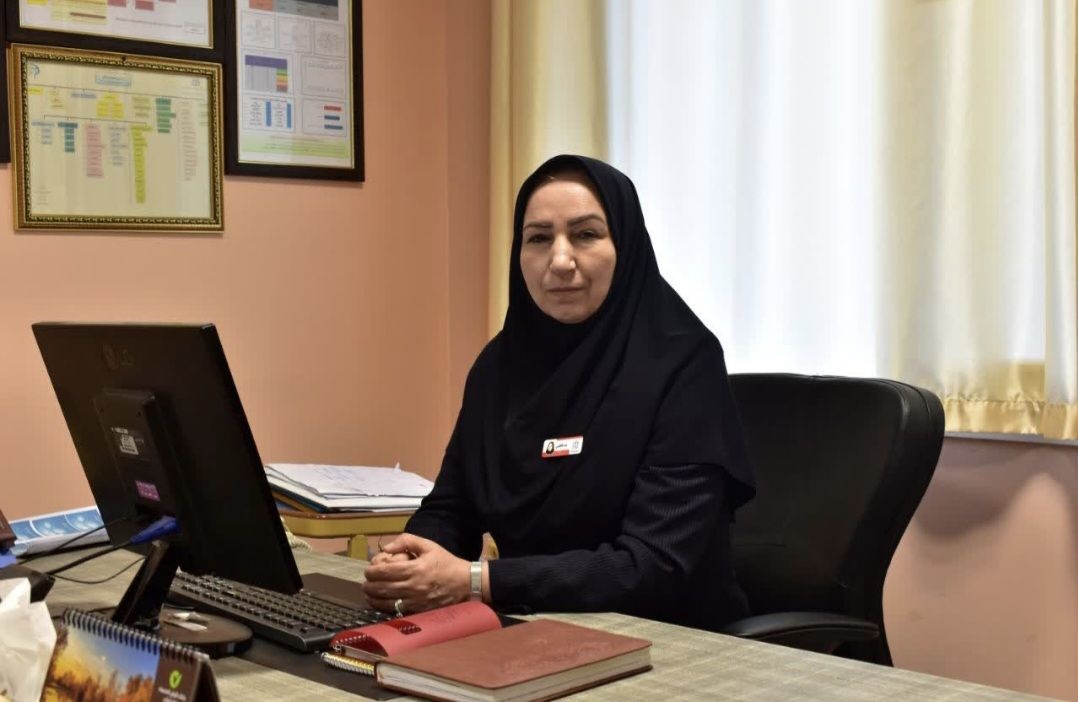
Nursing Service Manager
- Name: Ms. Fouzia Kazemi
- Experience: 25 Years
-
Education: Nursing Specialis
- Phone: +98 58 31525125
- Email: hos.khatamshirvan.nrsmng@nkums.ac.ir
Nursing Services Management: Roles & Responsibilities
1. Quality Improvement & Continuous Education
- Quality Enhancement: Planning and implementing continuous quality improvement (CQI) initiatives to enhance patient care services.
- Staff Development: Organizing internal and external educational programs for nursing staff to ensure clinical excellence.
- Patient & Family Education: Overseeing the development and execution of patient and family education programs across various prevention levels.
- Clinical Training Coordination: Coordinating clinical training programs for nursing students in collaboration with Nursing and Midwifery faculties.
- Onboarding & Orientation: Managing the orientation process for new staff, including training on hospital protocols, policies, and specialized clinical procedures.
2. Data Collection & Resource Management
- Institutional Data Analysis: Gathering and analyzing organizational data, including approved organizational charts, mission/vision statements, monthly/annual activity reports, and nursing audit reports.
- Patient-Centered Assessment: Collecting data based on patient demographics, admission types, care needs, and services provided.
- Human Resource Optimization:
- Assessing nursing staffing needs based on scientific standards.
- Comparing current staffing levels with required standards to identify and report shortages to higher authorities.
- Resource & Asset Management:
- Managing diverse human resources (Nurses, Technicians, Operating Room Specialists, Anesthesia Providers, Nursing Assistants, Emergency Staff, etc.).
- Supervising the physical infrastructure, medical equipment, and facilities to ensure optimal use and maintenance.
- Implementing energy-saving initiatives and efficient resource consumption protocols.
3. Strategic Planning & Financial Oversight
- Budgetary Participation: Participating in hospital and university-level budgeting meetings to propose and prioritize necessary funds for nursing activities.
- Infection Control: Collaborating in the planning and implementation of hospital-wide infection control programs.
- Risk & Crisis Management: Actively participating in accreditation programs, including Patient Safety, Child-Friendly Hospital initiatives, and Risk/Crisis Management.
4. Operational Leadership & Clinical Governance
- Meeting Management: Organizing and leading departmental meetings and specialized problem-solving sessions using scientific troubleshooting techniques.
- Inter-departmental Collaboration: Coordinating with related departments to enhance the professional knowledge and clinical skills of nursing staff.
- Supervision of Clinical Standards:
- Monitoring the administration and usage of narcotics and controlled substances.
- Overseeing the distribution of performance-based incentives and professional payments for nursing and midwifery staff.
- Performance Monitoring: Organizing regular meetings with supervisors and head nurses to review performance and resolve operational barriers.
- Digital Transformation: Encouraging and implementing the use of mandatory healthcare software and digital management systems as mandated by the Ministry of Health.
5. Professional Representation & Staff Welfare
- Institutional Representation (Protocol Role): Acting as the official representative of the nursing department in professional and cultural events (e.g., organizing Nurse’s Day and participating in professional union activities).
- Staff Engagement: Managing professional and cultural affairs to boost staff morale and maintain the professional dignity of the nursing workforce.